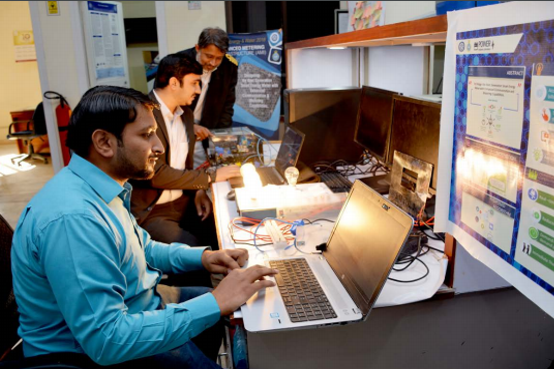
Power Systems Research Lab · NRDI Block, PNEC, Karachi
PSRL Power Systems Research Lab
Department of Electrical Engineering · NUST PNEC
NUST · Pakistan Navy Engineering College · Karachi

Shaping intelligent power systems for a resilient, digital grid.

PSRL integrates power engineering, electrical machines, signal processing and embedded platforms to design smarter, more reliable and efficient energy systems for industry and defence.

Smart GridsElectrical MachinesCondition Monitoring Signal ProcessingEmbedded & FPGAUnderwater Technologies
About the laboratory

Vision & Mission

The Power Systems Research Lab is committed to delivering international-quality research in the engineering field, making optimum utilization of national resources in the most effective and innovative way — for the betterment of mankind, the ease of human toil, and the comfort of generations to come.

Vision

A resilient, intelligent, sustainable and smart power grid

We envision the utilization of electrical machines blended with modern techniques of signal processing and embedded hardware, bringing significant improvement to human lives. Our solutions aim to be not only technically and economically sound, but also to satisfy social, environmental, and business development requirements.

Mission

Rigorous basic & applied cross-discipline research

PSRL addresses issues related, but not limited, to electrical machines, signal processing and smart grid technology. Primary research goals include:

  • Development of fault-tolerant machines
  • Development of machine diagnosis and prognosis methodologies
  • Development of programmable single chip (PoSC) based systems
  • Solutions to complex electromechanical problems for national and international need
  • Innovation in research practices
At a glance

Lab snapshot

40+
PEER-REVIEWED PUBLICATIONS
9
FUNDED & APPLIED RESEARCH PROJECTS
7
INDUSTRY-LINKED FINAL YEAR PROJECTS
50+
RESEARCHERS, GRADUATES & INTERNS
Selected highlights

From smart metering to FPGA diagnostics

A sample of initiatives demonstrating PSRL’s scope — smart metering, low-carbon innovation, FPGA-based diagnostics and industrial automation.

Smart grid

Indigenous AMI platform

A home-grown Advanced Metering Infrastructure solution developed with U.S.-Pakistan Centers for Advanced Studies in Energy (USPCAS-E) — local hardware and algorithms enabling secure data acquisition, tamper detection and power-quality analytics.

Low-carbon innovation

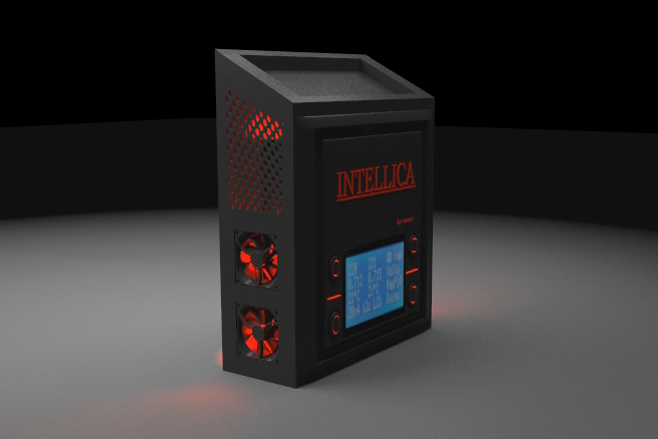
Intellica three-phase balancer

A startup team linked with the lab engineered a patented device that actively balances domestic three-phase loads, cutting home electricity use by up to 20% — a winner of the 2020 UN Asia-Pacific Low Carbon Lifestyles Challenge.

Diagnostics

FPGA-based machine fault analysis

Gold-medal-winning design of FPGA-centric algorithms for intrusive fault analysis of electrical machines, delivering faster diagnostics and improved reliability in mission-critical systems.

Leadership

Principal Investigator

Dr. Syed Sajjad Haider Zaidi

Prof Dr Syed Sajjad Haider Zaidi

Principal Investigator · Department of Electrical Engineering, NUST PNEC

Dr. Zaidi leads PSRL’s research across power systems, electrical machines, signal processing and smart grids — from indigenous AMI development with USPCAS-E to award-winning FPGA-based fault analysis of electrical machines.

Email: sajjadzaidi@pnec.nust.edu.pk · Phone: +92 321 3888853
View full profile & team →

Recent news

Recognition & milestones

Intellica three-phase load balancer device

Device cuts home electricity use by 20%

ENENT, a startup founded by NUST electrical engineers, won the 2020 UN Asia-Pacific Low Carbon Lifestyles Challenge with the patented Intellica Three-Phase Load Balancer.

USPCAS-E collaboration

Foundational technology for the smart grid

Dr. Sajjad Zaidi worked with USPCAS-E student scholars to develop a home-grown AMI solution — the backbone of the power grid of the future.

Gold medalists at IEEEP seminar

Gold medal at 33rd All Pakistan IEEEP Seminar

The team won gold for ‘Development and Designing of Algorithm for Intrusive Fault Analysis of Electrical Machines using FPGA’.

All news & achievements →